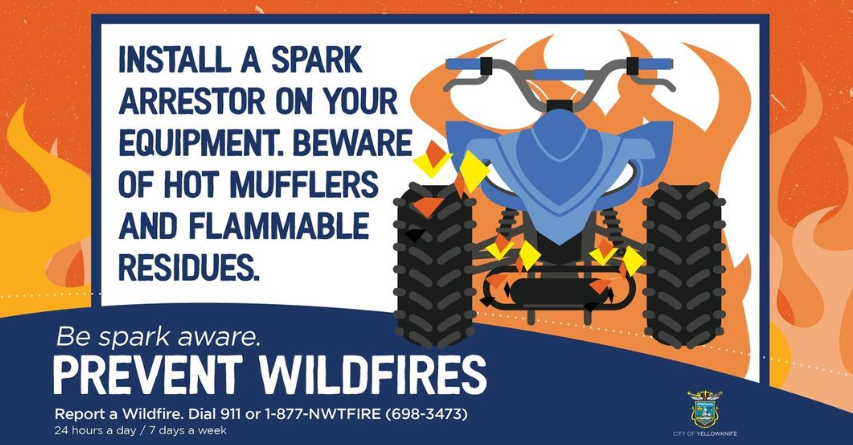
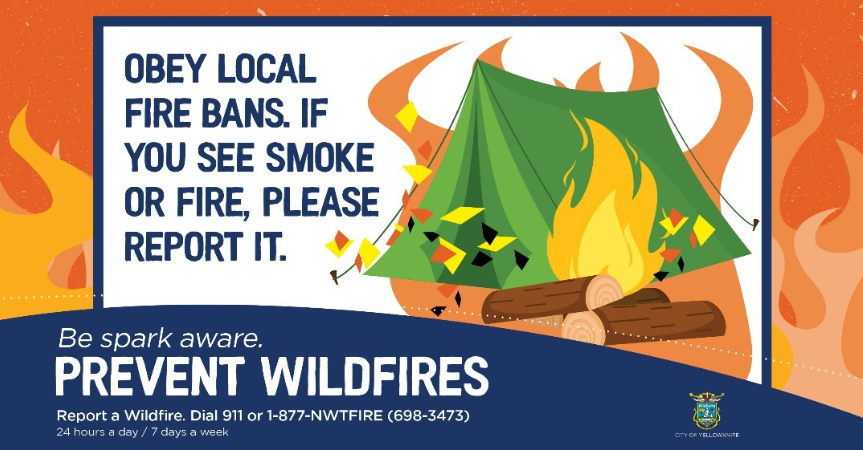
Yellowknife relaunches its Be Spark Aware campaign

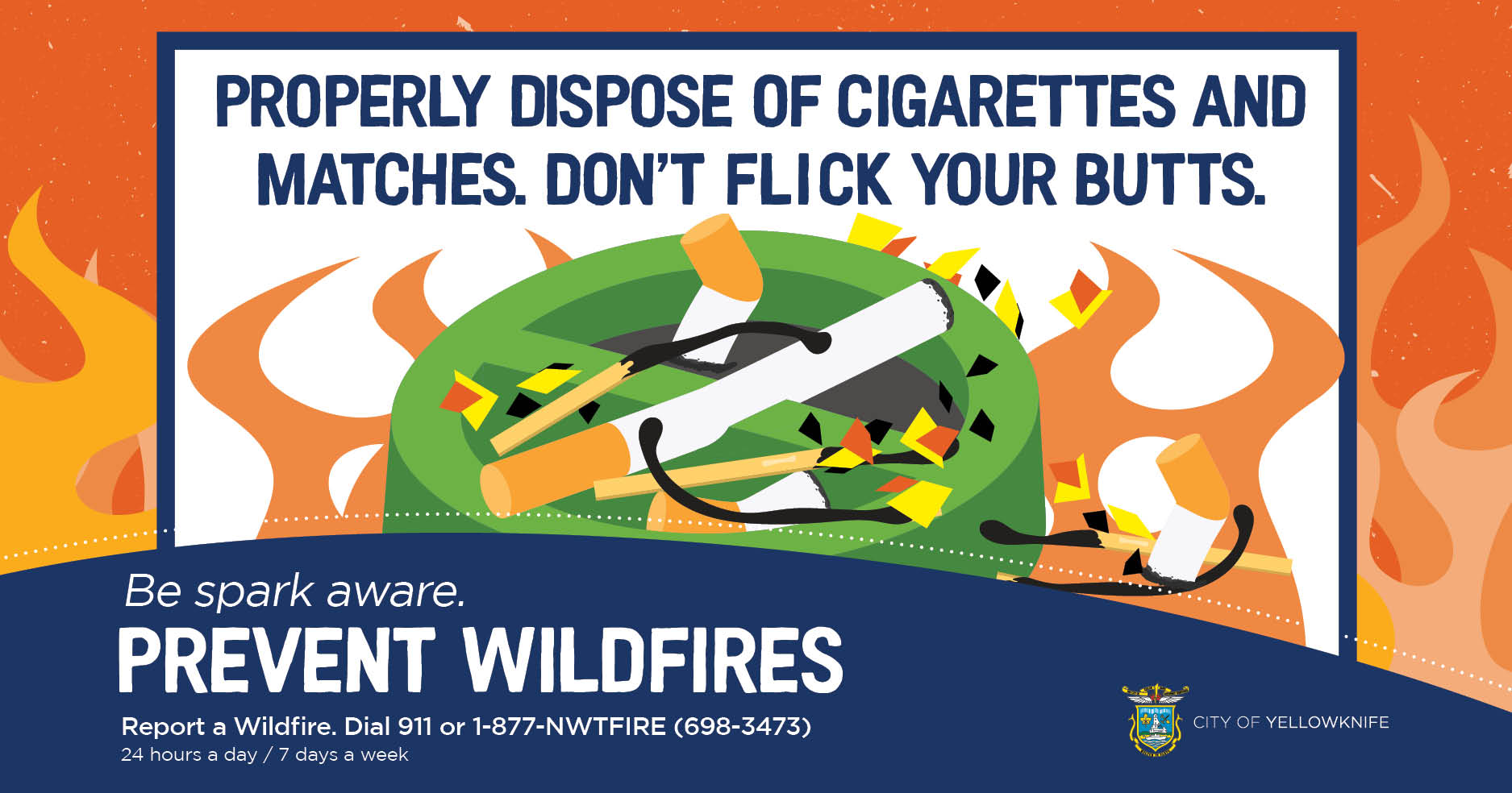
The City of Yellowknife publishes safety tips and reminders every year on various topics, including this fire prevention campaign. Abby Schelew, Corporate Communications Advisor, says that this campaign, which launched in 2023, is an ongoing effort that will continue to reinforce the messaging throughout the current wildfire season. It’s important for residents to have a solid understanding of the safety measures to take when the weather is hot and dry. This campaign provides many helpful tips for keeping the community safe when it comes to the spread of wildfires.

The campaign can be seen on the city’s social media.
Continue Reading

You may also like


cjcd Now playing play

- Advertisement -

Related Articles

- Advertisement -

Latest News

Inuvik Regional Hospital temporarily suspending labour and delivery services

The Northwest Territories Health and Social Services has announced that there will be a temporary suspension of labour and delivery services at the Inuvik Regional Hospital. 

Pit filling begins at Diavik Diamond Mine

Rio Tinto has announced that they have taken a significant step towards reclamation at the Diavik Diamond Mine, having begun filling the pits with water from Lac de Gras.

Fort Smith police charge suspect with assaulting an officer

Fort Smith RCMP have charged a suspect in relation to several incidents, including the assault of several police officers.

GNWT releases technical report on cancer in the NWT

The Government of the Northwest Territories has released their technical report on occurrences of cancer in the territory from 2011 to 2022, giving an overview of territorial trends over that 11-year span.

Extreme fires more than twice as likely in the NWT due to climate change according to new study

Imperial College London’s World Weather Attribution has released a report on their findings regarding the effects of human-caused climate change on wildfires, finding that fossil fuel-driven climate change has caused extreme fire conditions in the NWT to be more than twice as likely to occur.